
Emergency: +91 98391 48333 Aashiana, Lucknow Mon–Sat 10 AM – 8 PM · Sun 10 AM – 2 PM

preventive dentistry · Lucknow

Children's Dentist in Lucknow

"They are only milk teeth" is how permanent teeth end up crooked.

Fees
After assessment
Time
20–40 minutes
Visits
Varies; kept short by design
Anaesthesia
Topical gel, then local if needed

Your treatment fee is confirmed after assessment, with the plan and inclusions explained in writing.

Milk teeth hold space. Each one is a placeholder for the permanent tooth developing underneath, and it guides that tooth into position. When a milk molar is lost early to decay, the teeth on either side drift into the space, and the permanent tooth arrives to find there is no room for it. That is one of the commonest routes to crowding that later needs braces.

They also matter for the here and now. A child with dental pain does not eat properly, does not sleep properly and does not concentrate at school. Untreated decay in a milk tooth can also infect the permanent tooth bud developing beneath it.

The other half of paediatric dentistry is behaviour. A child whose first dental experience is a painful emergency at age six becomes an adult who avoids dentists for twenty years. We use tell-show-do, keep first visits short and non-invasive, and schedule around a child rather than rushing them.

You probably need this if…

  • Black or brown spots on your child's teeth
  • Your child complains of pain or avoids chewing on one side
  • A milk tooth is loose, broken or has been knocked out
  • Thumb-sucking or tongue-thrusting past age four
  • Permanent teeth coming in behind the milk teeth
  • Your child has never seen a dentist and is over the age of one

Recognising two or more of these does not confirm a diagnosis. It means an examination is worth booking before the problem gets more expensive.

How the treatment works

  1. 01
    First visit: familiarisation

    A ride in the chair, a count of the teeth, a look with a mirror. Nothing invasive. The goal of visit one is that the child wants to come back.

  2. 02
    Examination and risk assessment

    Caries risk, diet, brushing technique and habits are assessed, and parents get specific, practical guidance rather than general advice.

  3. 03
    Prevention

    Fluoride application and pit-and-fissure sealants on the permanent molars as they erupt, the single most cost-effective dental intervention there is.

  4. 04
    Treatment where needed

    Painless fillings, pulpectomy for infected milk teeth, stainless steel crowns and space maintainers where a tooth has been lost early.

  5. 05
    Orthodontic screening at 7–8

    Interceptive treatment while the jaw is growing can prevent or dramatically shorten fixed braces later.

What kids dentistry costs in Lucknow

Children’s dental treatment cost in Lucknow depends on the problem being treated, the number of teeth involved and the care needed to complete treatment comfortably. An examination helps parents compare preventive care and any restorative treatment required.

Your written estimate sets out the recommended treatment and any separate charges. The guide below explains what to check before agreeing to the plan.
Planning your treatment budget

What affects your fee?

Compare the scope of the treatment, the recommended materials and the follow-up care. Your assessment establishes the plan that is appropriate for you and the estimate for that plan.

What to check in your quotation

Confirm the examination, any X-rays, each planned procedure and follow-up visits. The dentist should explain which treatment is needed now and which can be monitored.

Additional work to discuss

Fillings, sealants, fluoride, pulp treatment, crowns and space maintainers are distinct procedures. Any additional support needed during treatment should be discussed with the parent.

Factors that determine your cost

  1. Preventive or restorative

    A check-up, fluoride and sealants sit at one end. A pulpectomy and crown on an infected milk tooth sits at the other.

  2. How many teeth

    Sealants on all four permanent first molars are packaged together rather than priced one by one.

  3. Whether a habit needs correcting

    Thumb-sucking and tongue-thrusting appliances are separate. The first familiarisation visit for under-sixes is free.

How your fee is confirmed

  1. The dentist examines your teeth and discusses your concerns. Any necessary imaging or records are explained, along with their charges.
  2. You discuss suitable treatment options, materials and any additional work needed.
  3. You receive a written plan showing what is included, any separate charges, the total fee and payment stages. Treatment begins after you agree to the plan.

Treatment needs vary between patients. Your written estimate sets out the agreed procedures, inclusions and separate charges before you decide. If new findings change the plan, the dentist discusses the options and revised estimate with you before continuing.

Questions

Kids Dentistry: questions patients ask

At what age should a child first see a dentist?

By their first birthday, or within six months of the first tooth appearing. That visit is about establishing risk, checking development and giving parents brushing and diet guidance, not treatment. Children who start this early rarely develop dental anxiety.

Do cavities in milk teeth need to be treated?

Yes. Milk teeth hold space for the permanent teeth and guide them into position; losing one early causes the neighbouring teeth to drift and crowd out the permanent tooth. An untreated infection in a milk tooth can also damage the permanent tooth bud developing beneath it.

Are dental X-rays safe for children?

Yes. A digital dental X-ray delivers a very small radiation dose, and we use a lead apron and thyroid collar and take radiographs only where they will change the treatment decision. Missing decay between the teeth because we avoided a necessary X-ray is the larger risk.

How do I stop my child sucking their thumb?

Most children stop by age four on their own and no intervention is needed. Past four, if it continues, it starts pushing the upper front teeth forward and narrowing the palate. Positive reinforcement works better than scolding, and where it does not, a habit-breaking appliance fitted by the orthodontist is a simple and effective solution.

What do I do if my child knocks out a permanent tooth?

Pick the tooth up by the crown, never the root. If it is dirty, rinse it briefly in milk or saline, not water, and do not scrub it. Push it back into the socket if you can, or transport it in a cup of milk, and get to a dentist within 30 minutes. Time is the single biggest factor in whether the tooth survives.

Related treatments

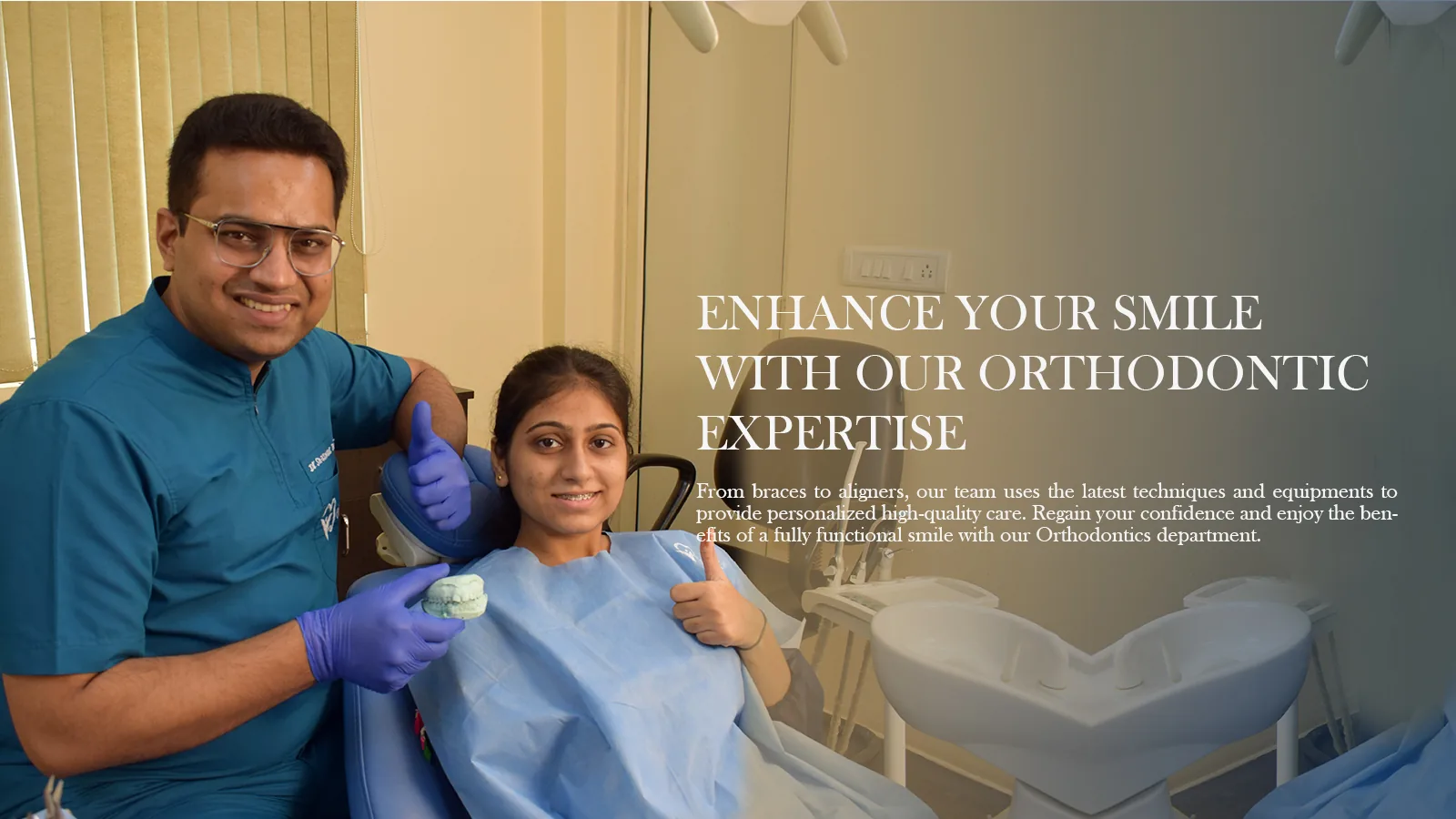
Dr. Shashank Trivedi with an orthodontic patient
Orthodontics EMI available

Braces

Straighten crowded or protruding teeth, usually without extracting any.

Explore treatment
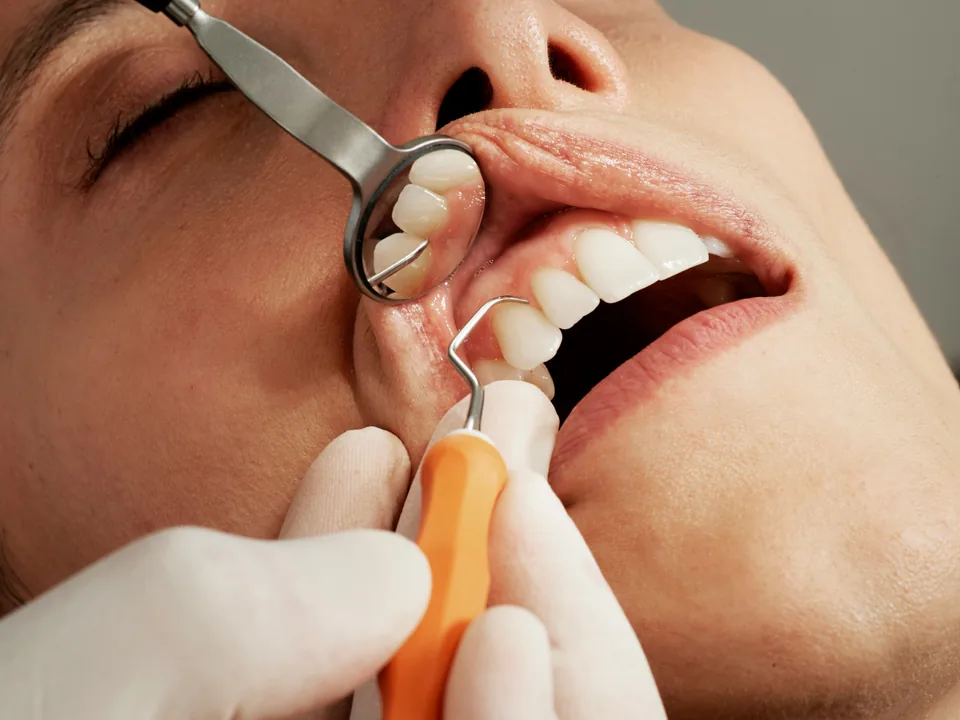
Dental examination using a mirror and probe to check the teeth
Restorative

Dental Fillings

Stops decay early, before it reaches the nerve and becomes a root canal.

Explore treatment
Preventive

Teeth Cleaning

The 30-minute appointment that prevents most of the expensive ones.

Explore treatment
Request a callback

Book a kids dentistry consultation

Tell us what is troubling you. We call back within 30 minutes during clinic hours.

Request received. We will call you back shortly. Urgent? Call +91 98391 48333.
We call from 0522 244 7773. No marketing messages.

By submitting you agree to be contacted about your enquiry. We do not share your number with anyone.