Root canal or extraction? How to actually decide
Someone has told you the tooth needs a root canal. Someone else, usually a relative, has said just take it out, it will be cheaper and you will be done with it.
Both of those are answers to different questions. Here is how the decision is actually made.
The default is to save the tooth
Nothing replaces a natural tooth as well as the natural tooth. This is not sentiment; it is mechanics.
Your tooth root sits in bone and transmits chewing force into it. Bone maintains itself in response to that load. Remove the root and the bone at that site starts resorbing, losing roughly 25% of its width in the first year. The tooth behind drifts forward into the space, the tooth in front tips backward, and the tooth in the opposing jaw, with nothing to bite against, over-erupts downward into the gap.
None of that happens quickly enough to alarm anyone. All of it happens.
So the question is not “root canal or extraction”. It is “can this tooth be restored”, and only if the answer is no does extraction become right.
When extraction is genuinely the correct call
A good dentist will recommend extraction in these situations, and you should be suspicious of one who never does:
Vertical root fracture. A crack running down the length of the root. There is no procedure that repairs this. The tooth comes out.
Decay below the bone level. If there is not enough sound tooth structure above the bone to hold a crown, there is nothing to restore. Crown lengthening surgery sometimes rescues these; often it does not.
Severe periodontal bone loss. If the tooth has lost most of its supporting bone and moves in more than one direction, treating the nerve inside a tooth that is falling out of the jaw is not useful.
A second failed re-treatment. Root canals can be redone once, sometimes twice. Beyond that, the prognosis drops sharply and the money is better spent on a replacement.
Orthodontic or prosthetic planning. Occasionally a healthy tooth is removed as part of a larger plan. That should come with an explanation and a cephalometric analysis, not an assertion.
Comparing the complete treatment cost
An extraction appointment and root canal treatment with a final restoration cover different amounts of care. Ask the dentist to explain the complete plan for each suitable option.
Root canal path: check the canal treatment, any build-up and the restoration or crown needed afterwards. The tooth involved and whether this is a first treatment or a re-treatment can affect the estimate.
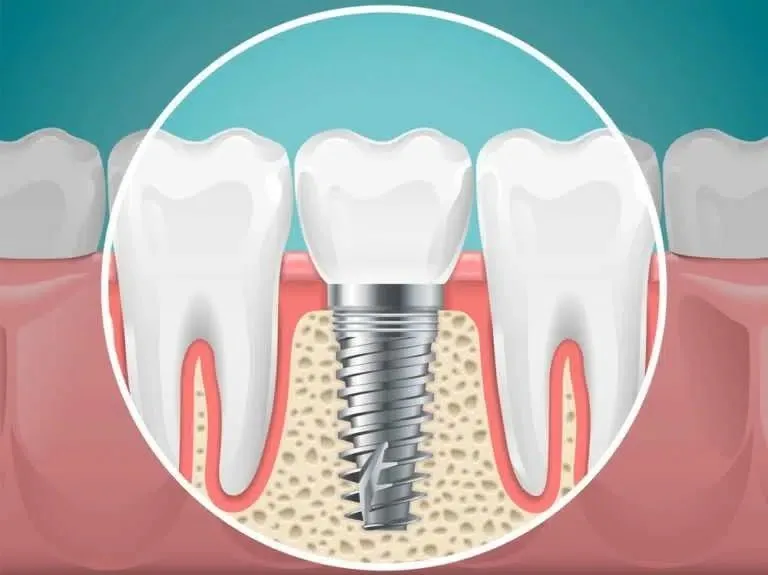
Extraction path: check the removal procedure, imaging and aftercare. If replacement is recommended, compare the additional implant, bridge or denture plan, including preparation and follow-up.
The decision also depends on whether the tooth can be predictably restored. A lower initial fee does not establish which option offers the best long-term value for your case. Ask about prognosis, maintenance and the likely next steps for each plan.
Our root canal cost guide explains quotation inclusions. The tooth extraction page explains what affects the removal fee and what to discuss about replacement.
The part people skip: the crown
A root-treated back tooth without a crown is a tooth on borrowed time.
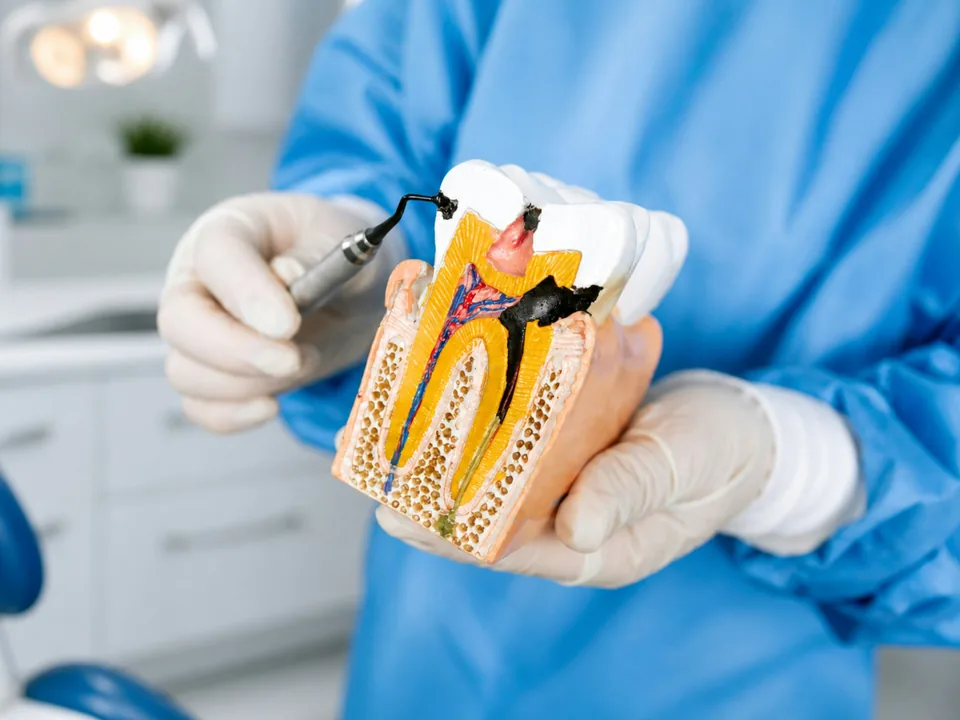
Removing the pulp removes the tooth’s internal blood supply, and the remaining structure becomes brittle. Combined with the access cavity cut through the top of the tooth, the risk of a vertical fracture within a few years is substantial. And a vertically fractured root-treated tooth cannot be saved; it is extracted.
So if you are budgeting, budget for both. A root canal without a crown is not a cheaper treatment; it is an incomplete one that often has to be paid for twice.
Front teeth with minimal loss of structure are the exception and can sometimes be restored with a filling.
Questions worth asking before you agree to either
- Can you show me the X-ray and point to the problem? You do not need to interpret it. You need to see that there is something to interpret.
- Is this tooth restorable, and what specifically makes it restorable or not? “Decay below bone level” is an answer. “It’s finished” is not.
- What is the total cost including the crown? Ask this before, not after.
- If you extract it, what is the plan for the gap and what does that cost? If nobody raises this at the extraction appointment, raise it yourself.
- What happens if I do nothing? A dentist who cannot answer this clearly has not thought about your case.
The one thing not to do
Do not leave it. An infected tooth does not stabilise. The pulp does not recover, the infection travels into the bone, and the abscess that forms turns a straightforward root canal into a complicated one, or into an extraction that was avoidable six months earlier.
Whichever decision you reach, reach it soon.